National Theatre of Northern Greece
www.ntng.gr
Date: 16-18. 09. 2019.
Ancient Drama and Politics
MASTERCLASS | On the 3rd Meeting of Young Artists of Southeast Europe, organised by the National Theatre of Northern Greece
Thessaloniki (GR) | 2019
How can theatre become a forum again?
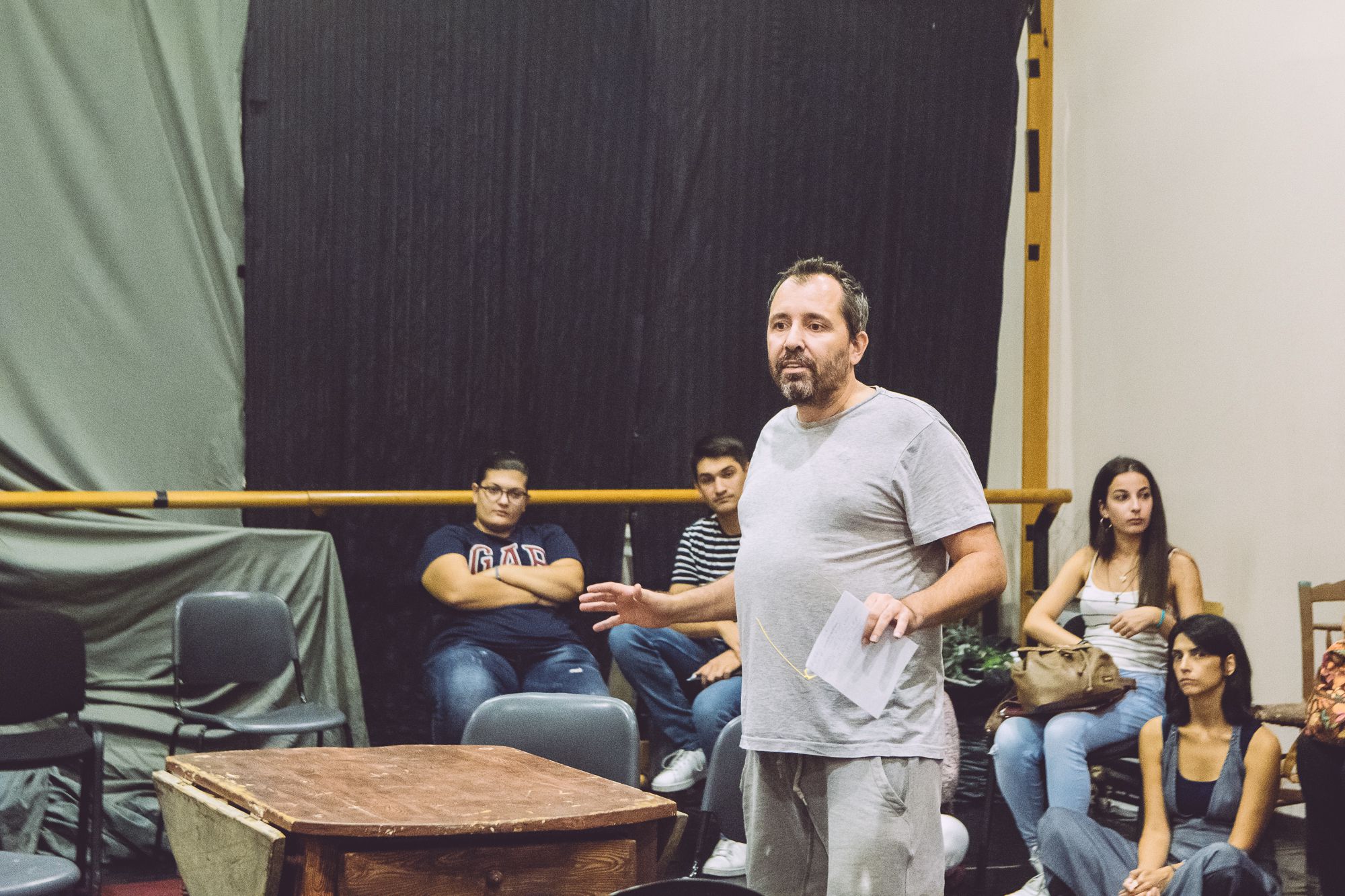
My aim was to recognise our responsibilities in regard to choosing a subject, selecting the various perspectives, and involving spectators. What tools can we use to ensure audiences feel as close as possible to the stories we tell? How to present and lay bare the problems we consider important?
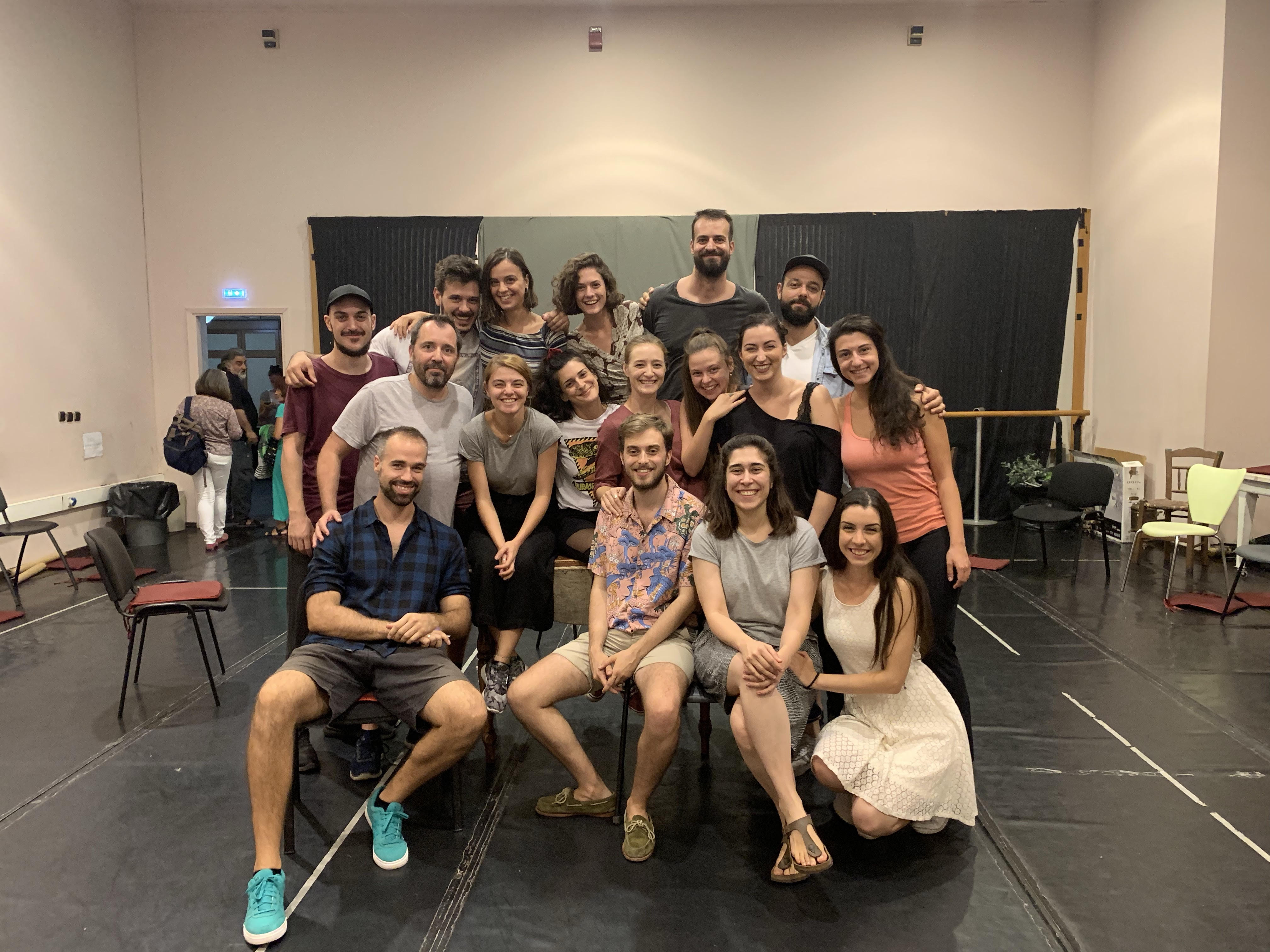
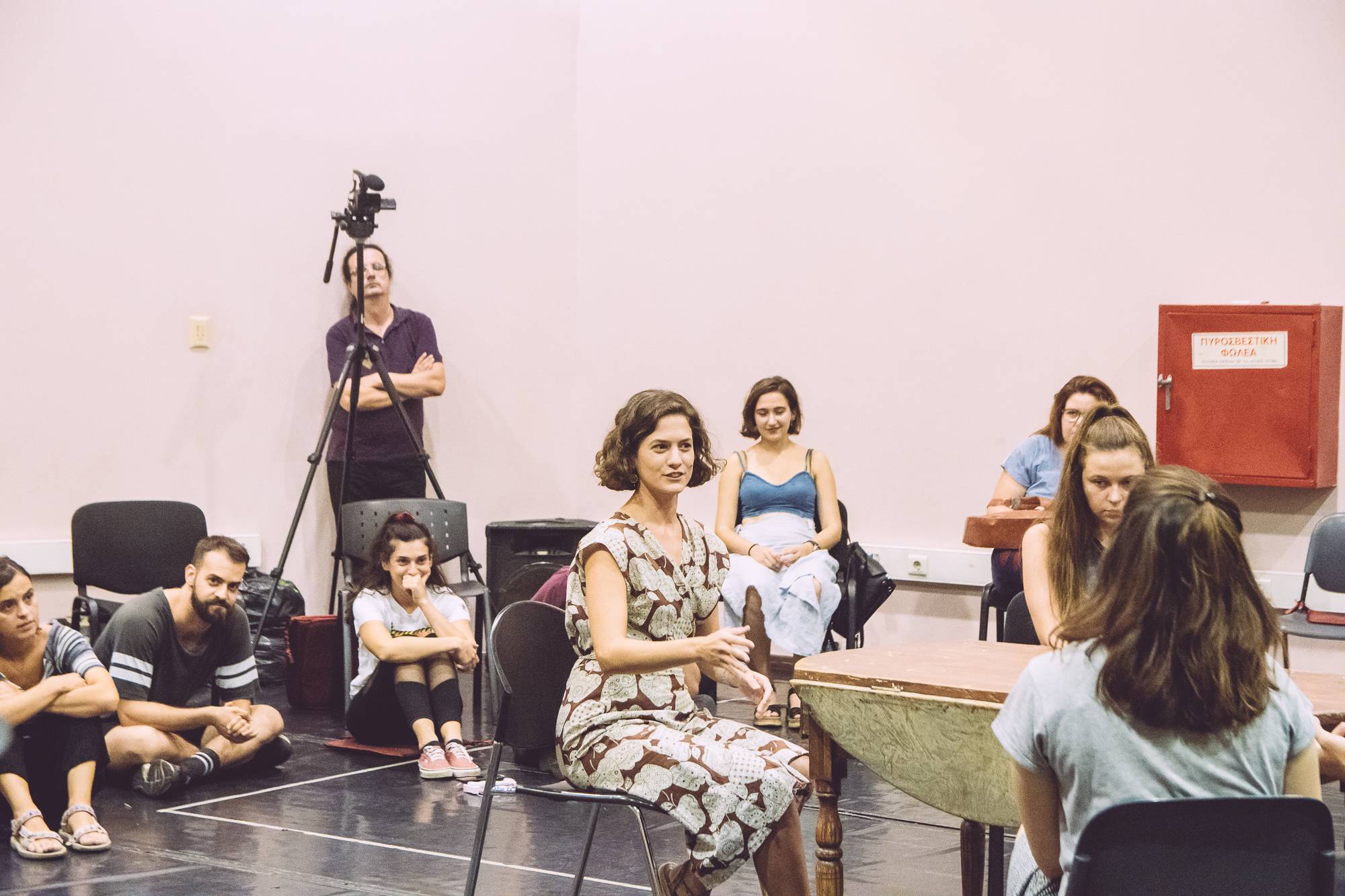
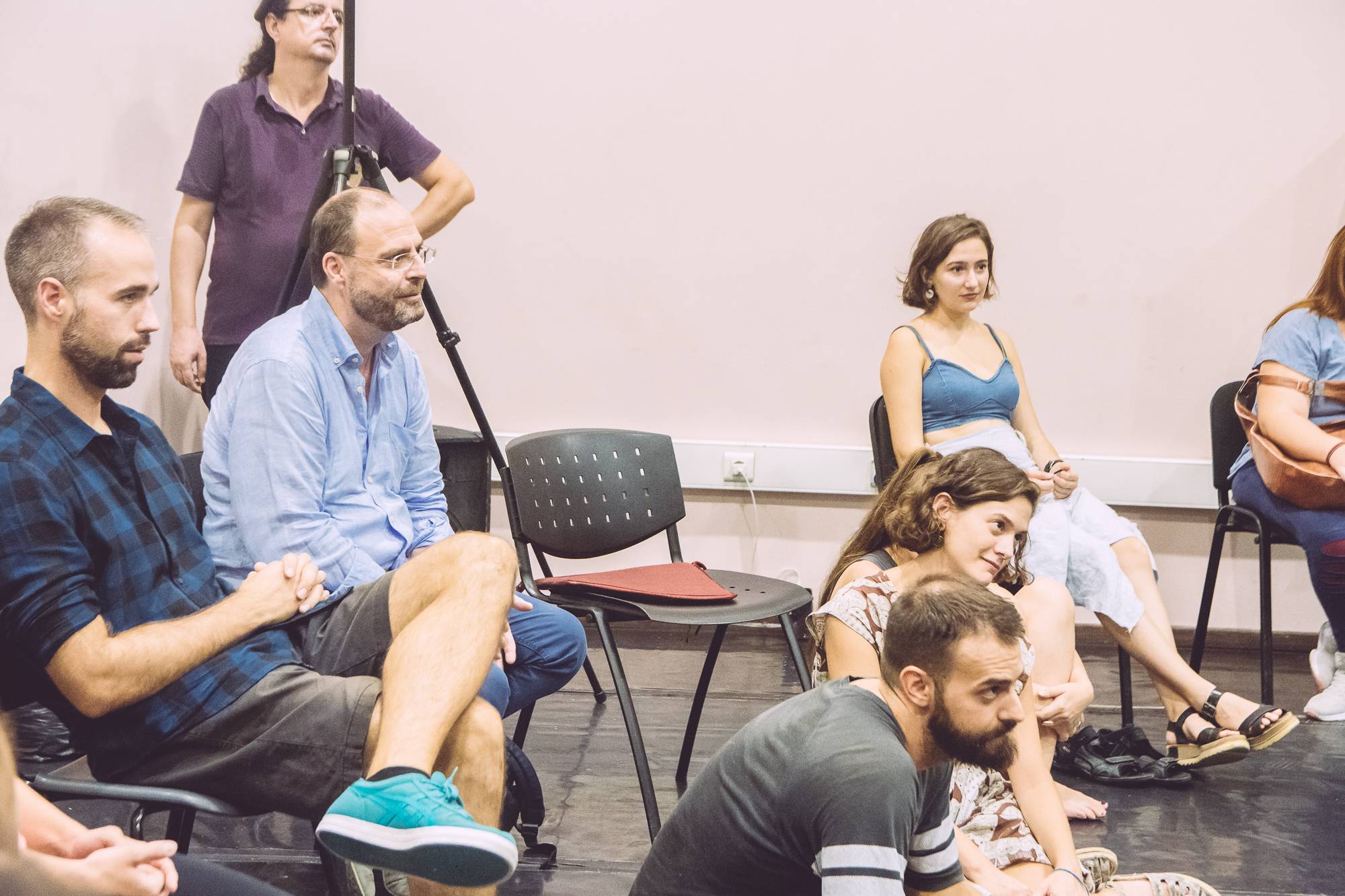
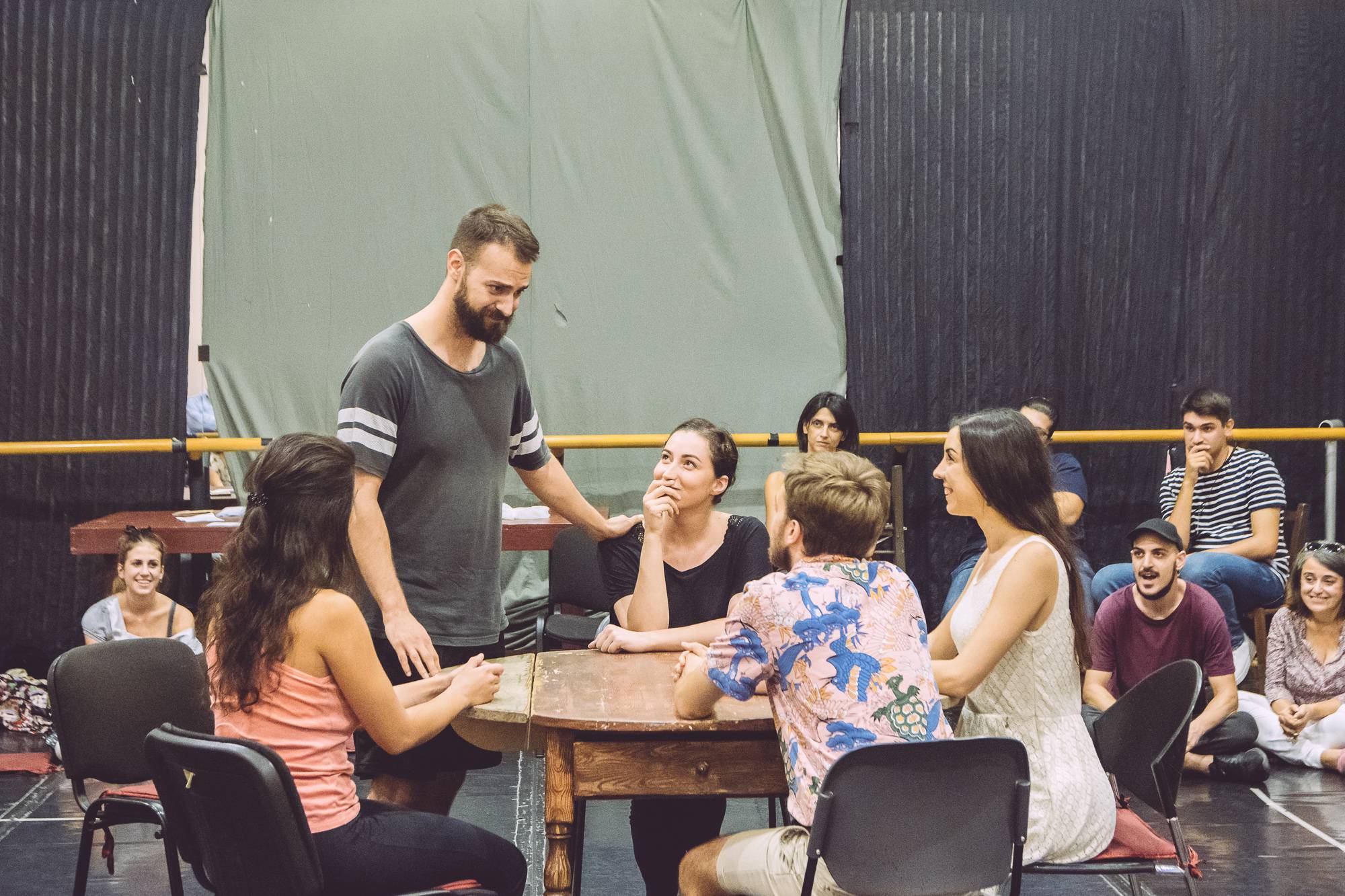
During the three day-long masterclass I worked with Greek, Turkish, Bulgarian, Serbian, Romanian, Lithuanian, and Italian actors and directors. Our starting point was Slavoj Žižek’s Antigone, unusual in closing the classical tale with three different endings.
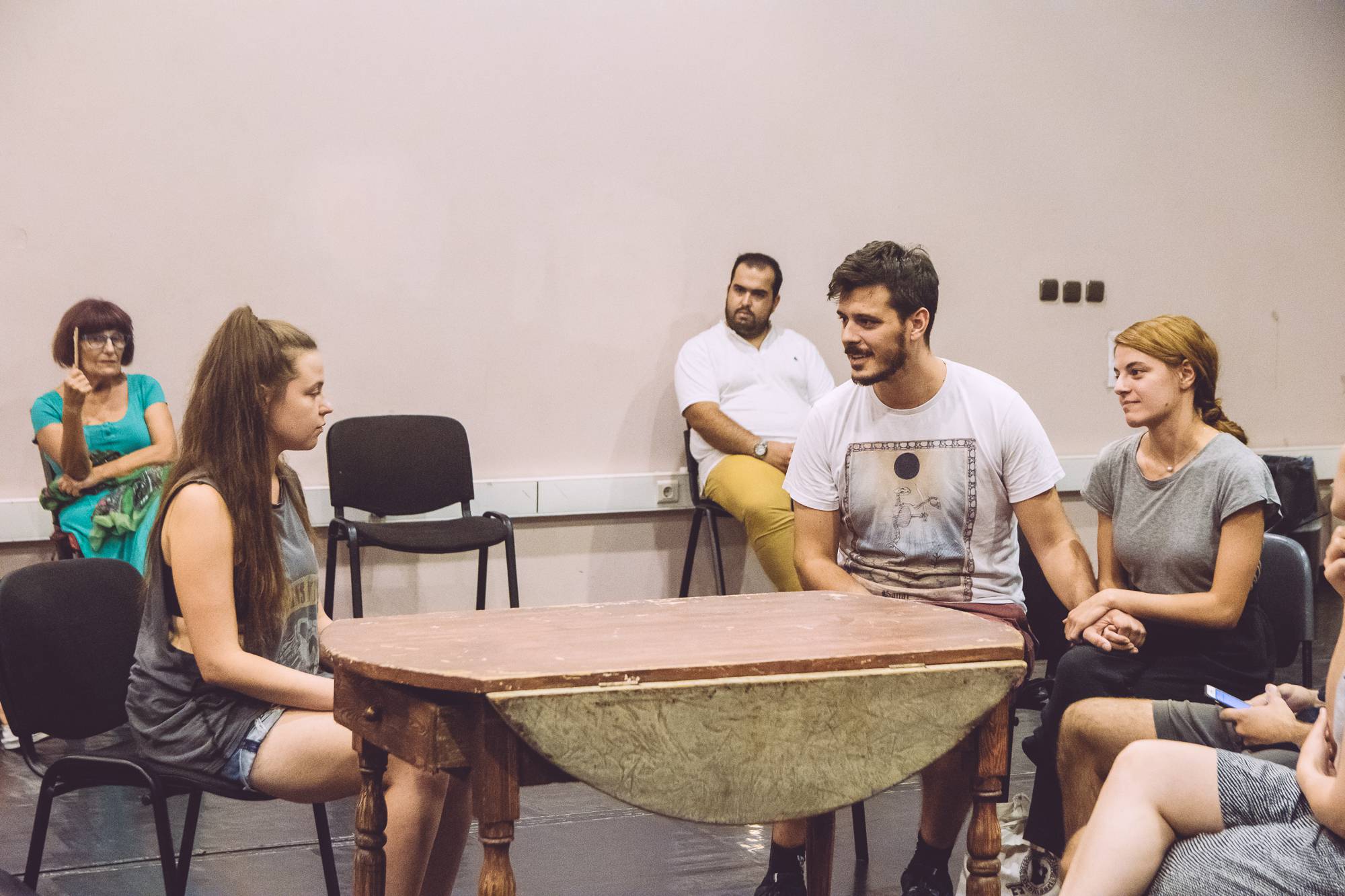
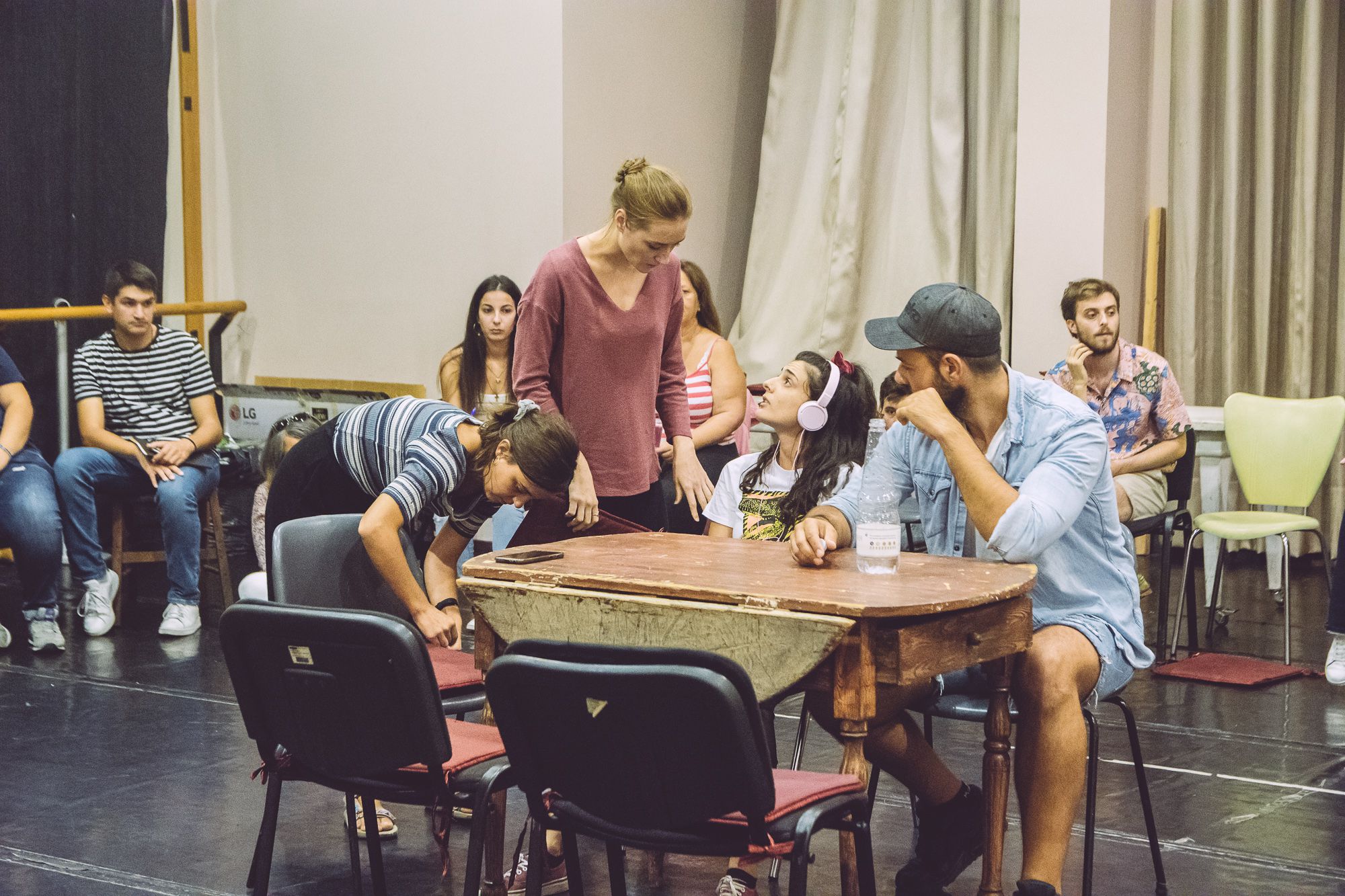
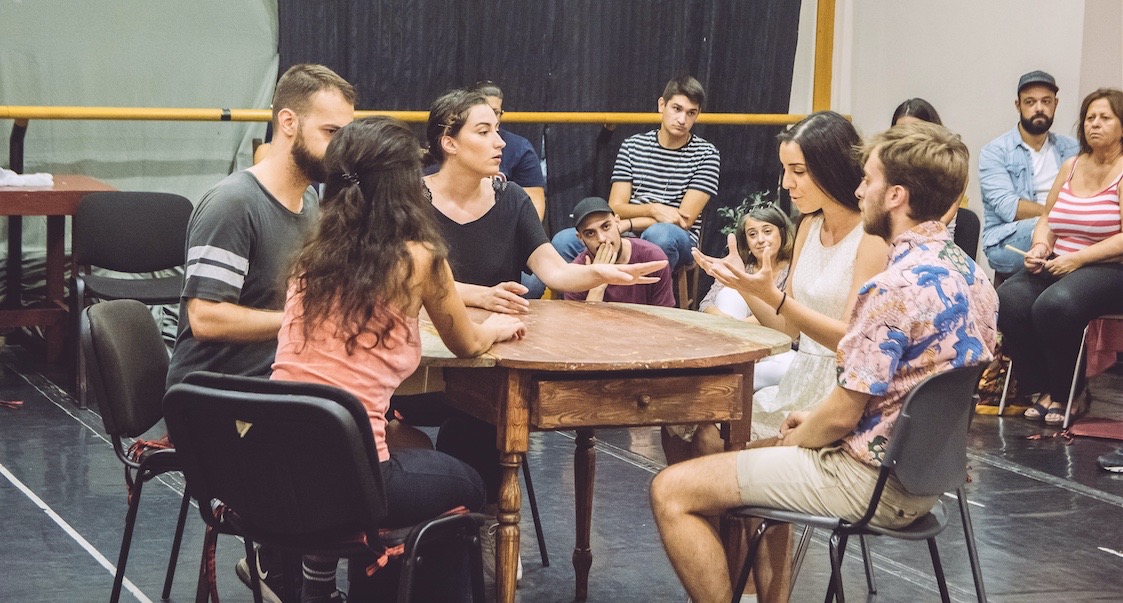
We discussed the play’s various conclusions: which solution each of us agrees with; which we feel closest to. Afterwards, in small groups, participants looked for subjects which divide society and can be examined from multiple valid perspectives. Among these topics were abortion, domestic violence, and how to place children with learning difficulties in schools. The groups’ members created condensed, dramatic situations out of the subjects chosen.
In relation to the theatrical solutions we spoke of dramaturgy, theatrical play, and the validity of the perspectives represented by characters. We sought a theatre which does not judge but rather seeks to demonstrate the complexity of particular situations.
We spent the last day thinking about how we might be able to stage a mediated audience discussion about the problems we raised. We looked for questions and talked about how it might be possible to question well; what instruments make it possible to take a discussion seriously. We thought it particularly important that spectators be able to share their opinions not only with the creators, or through the creators, but directly, with each other; if necessary, that they be able to argue with each other.
All of us had shared the experience that spectators rarely reach the real meaning; often the production’s form is more interesting than its content.
Every theatre is political, for social context is unavoidable. Where the theatre building is located, or the aesthetic of its architecture, holds just as much political significance as ticket prices, or relations between those who work there. The question is merely how much we help theatre assume its political role; how much effort we expend for it to become as much a forum as the ancient forefathers imagined it: performances and debate about our fate.
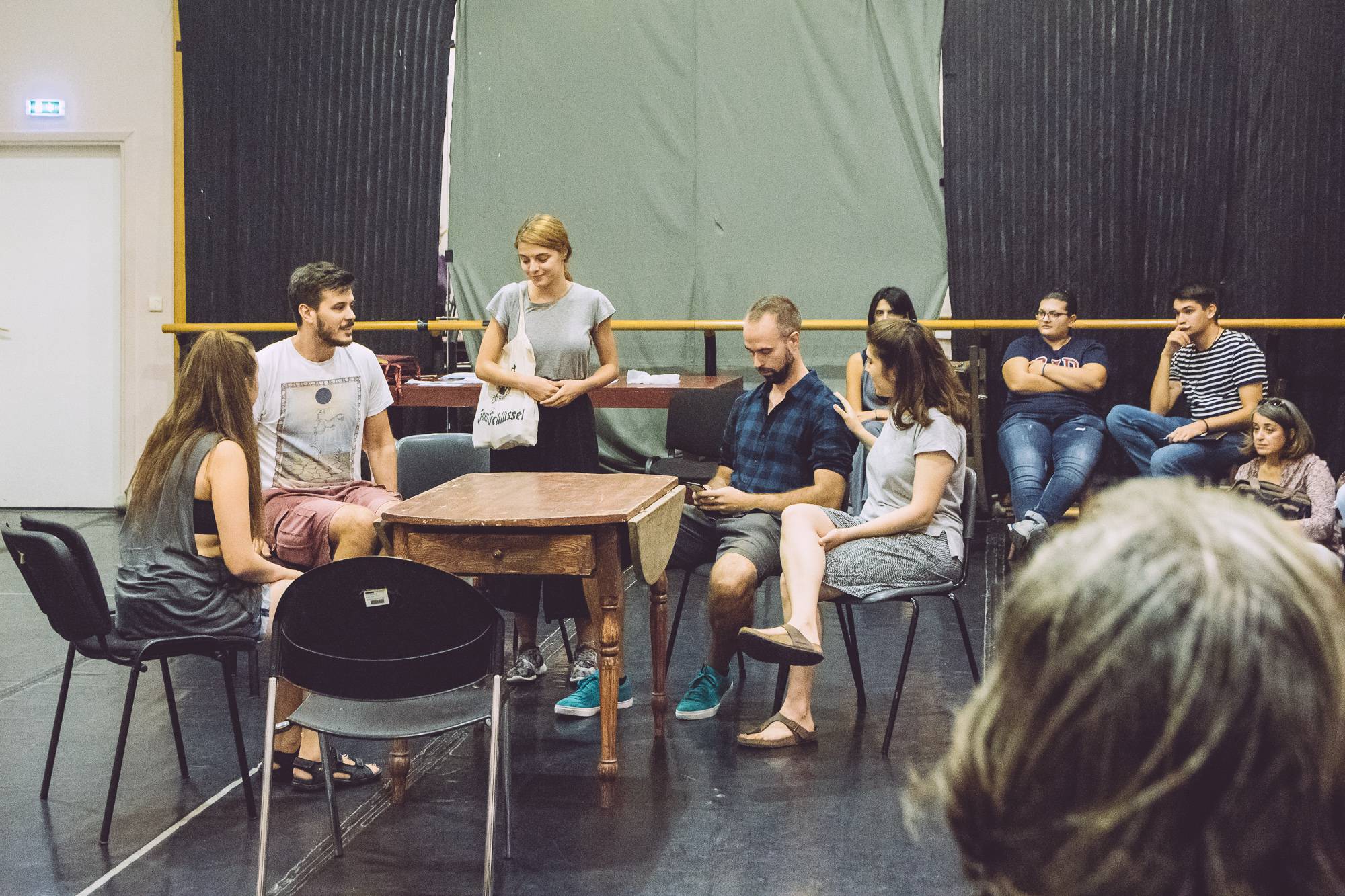
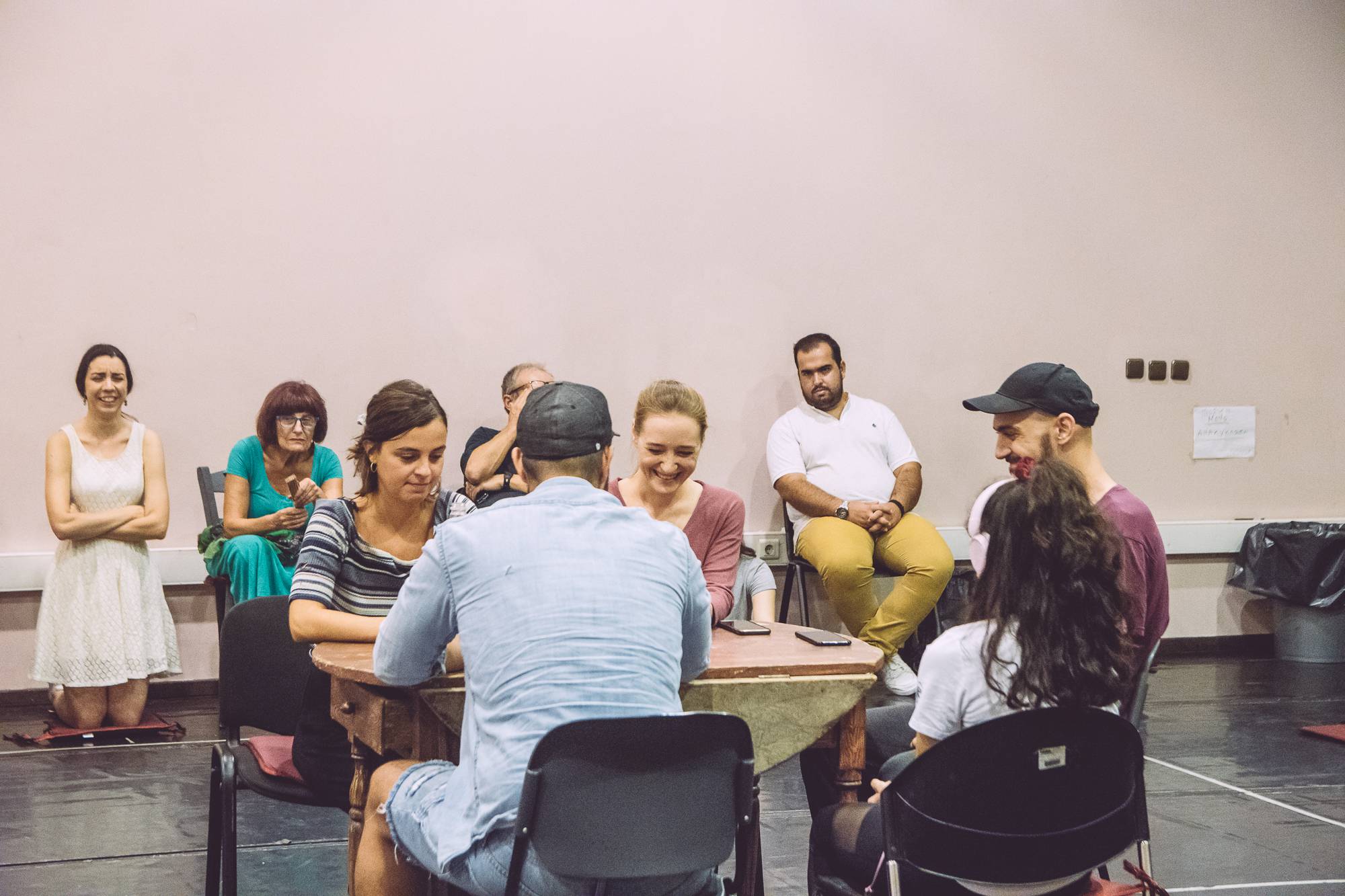
Finally we tested what we had talked through live. We presented three scenes and the associated conversation to about a dozen spectators. We succeeded in involving the visitors, and, under the direction of the participants, a kind of dialogue emerged.
Árpád Schilling
Download high resolution PHOTOS here.
Any use of the photos, especially commercial use, is subject to written prior consent of the author. For further enquiries, please contact me in the 'Contact' section.